


مدرسهٔ ملی علوم اطلاعات کوانتومی
پژوهشکدهٔ فیزیک کوانتومی و ماده
بهمنماه ۱۴۰۴
بهمنماه ۱۴۰۴
به اطلاع تمامی علاقهمندان میرساند که این رویداد در تاریخ تعیینشده برگزار نخواهد شد و با برنامهریزی جدید در بهار سال آینده برگزار میگردد.
مدرسهٔ ملی علوم اطلاعات کوانتومی در سال ۱۴۰۴ با همکاری پژوهشکدهٔ فیزیک کوانتومی و ماده و شاخهٔ علوم و فناوری اطلاعات کوانتومی انجمن فیزیک ایران، در پژوهشگاه دانشهای بنیادی برگزار میشود. هدف این مدرسه ارتقای دانش و فراهم کردن بستری برای گسترش تعاملات علمی در زمینهٔ علوم اطلاعات کوانتومی است. برنامهٔ مدرسه با بهرهگیری از مدرسان تراز اول شامل درسهای پیشرفته در زمینههای نظریهٔ اطلاعات کوانتومی، حسگری کوانتومی، ترمودینامیک کوانتومی و محاسبات کوانتومی کاربردی خواهد بود. از متخصصان و دانشجویان تحصیلات تکمیلی علاقهمند به این حوزه برای شرکت در مدرسه دعوت میشود.
• محل برگزاری: فرمانیه، نبش کوچهٔ شهید فربین، پلاک ۷۰، پژوهشگاه دانشهای بنیادی، پژوهشکدهٔ فیزیک کوانتومی و ماده، سالن آمفیتئاتر.

مهلت ثبتنام به پایان رسیده است.
از علاقهمندی شما به مدرسهٔ ملی علوم اطلاعات کوانتومی سپاسگزاریم.
در صورت نیاز به اطلاعات بیشتر، لطفاً از طریق بخش تماس با ما اقدام فرمایید.


|
|
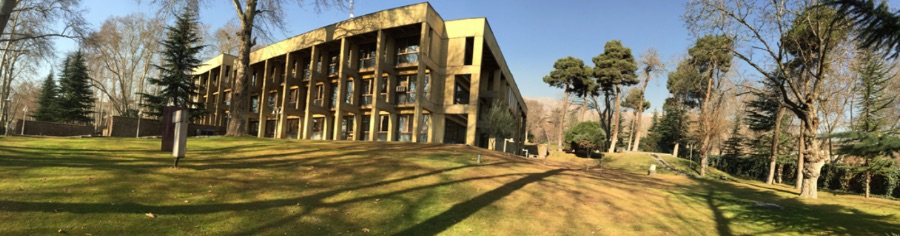
Niavaran Bldg. |
|
| Address:
(click here) School of Mathematics, IPM, Niavaran bldg., Niavaran Square, Tehran. ☎ +98 21 22290928 IPM Guesthouse, Farmanieh bldg., next to Kooh-e-Noor Tower, Farmanieh Ave., Tehran. ☎ +98 21 22835059 Credit cards, money and exchange: The standard credit cards e.g. Visa, Master or AmEXP, cannot be used in Iran. Do not forget to carry your money in US dollars or Euros. Exchanging other currencies is not as straightforward. You may also exchange your money at the Airport. Working days: Note that weeks start from Saturday in Iran. Many governmental offices are closed on Thursdays, and Friday is the official holiday. Electricity: 220V, 50Hz, European plug. Emergencies: ☎ 110, local Police control centre. It may contact with other emergency services. Other Emergency Services: ☎ 115 for Ambulances; ☎ 125 for the Fire and Rescue team; ☎ 112 for Iranian Red Crescent Society, often for outside the cities events such as climbers missing. Some useful links: wikitravel.org/en/Iran Google's travel guide of Tehran, Some points of interest. Around IPM: Niavaran Palace, Niavaran Park and Niavaran Book City are in walking distance of IPM. Jamshidieh Park, Qeytariyeh Park, Kolakchal mountains, and Darabad mountains are also relatively close to IPM. About IPM: http://www.ipm.ac.ir/about-IPM.jsp Some Photos: http://www.ipm.ac.ir/gallery |
||
| IPM Guesthouse |
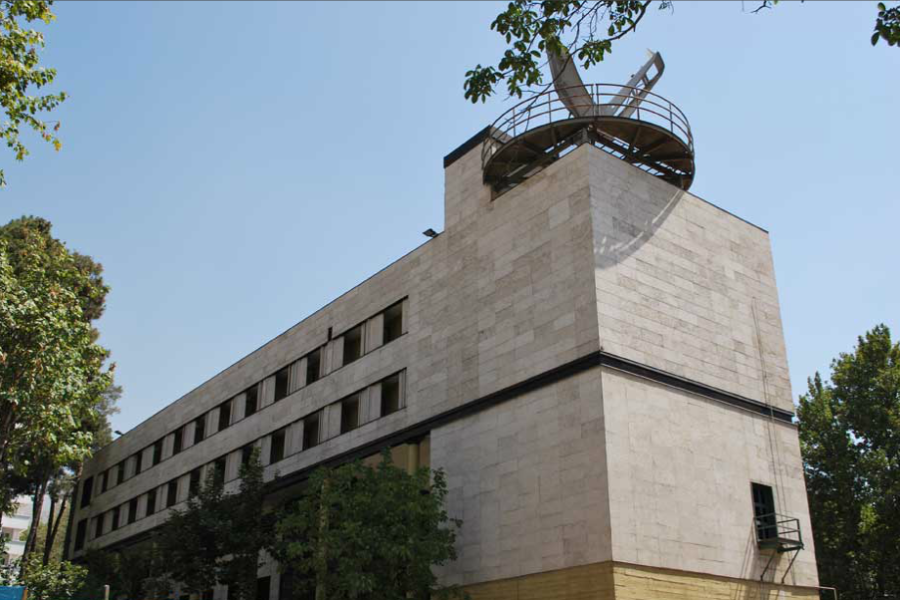
IPM
پژوهشگاه دانشهای بنیادی (پژوهشگاه دانشهای بنیادی – IPM)
فرمانیه
پژوهشکدهٔ فیزیک کوانتومی و ماده
پلاک ۷۰، نبش کوچهٔ شهید فربین
خیابان شهید لواسانی، تهران – ایران
تلفن: +98 21 22825050
فکس: +98 21 22825050
qpmevents@ipm.ir
